A prospect requests an estimate at 7:12 p.m., leaves a voicemail, and then calls a competitor before anyone follows up. Disconnected tools, missed calls, and slow responses can break the customer journey before a prospect ever speaks with a rep. More traffic won't solve that loss when a broken lead conversion system turns expensive marketing into an unanswered inbox.
Your website, ads, forms, calls, CRM, and sales team need to work as one operating process. Technology can speed up the work, but it can't replace clear ownership or a credible sales process.
Key Takeaways
- A lead conversion system connects inquiries to appointments, proposals, customers, and revenue.
- Every lead needs an owner, next action, response deadline, and escalation rule.
- Fast replies help, but lead quality and sales execution ultimately drive your lead conversion rate.
- Lead management software can't fix broken handoffs. Sales pipeline stages should match real buyer decisions, not generic CRM labels.
- Track conversion by source and revenue outcome before increasing ad spend.
The Anatomy of a High-Performance Lead Conversion System
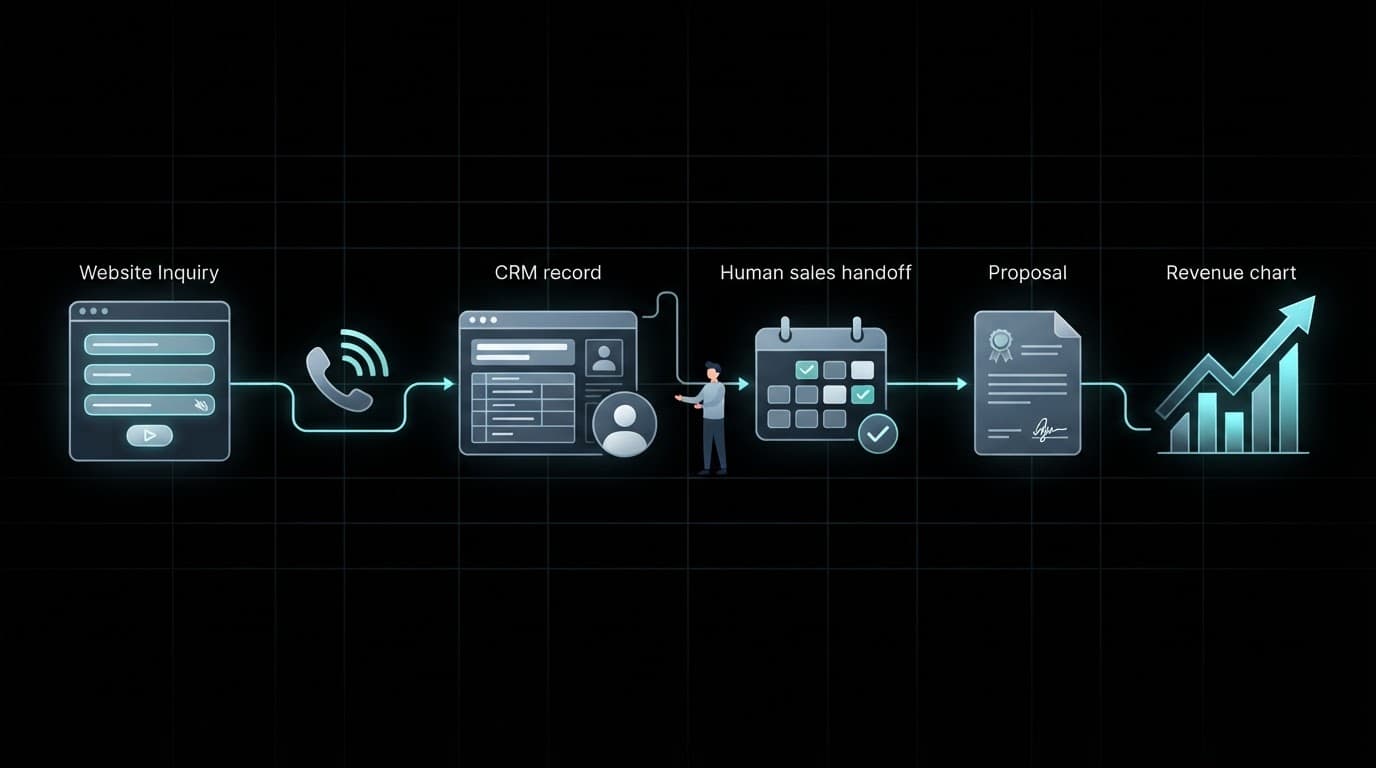
A lead conversion system is the connected process that turns an inquiry into a qualified opportunity, booked appointment, proposal, and customer. Lead management software is only one component. Without response rules, follow-up tasks, ownership, pipeline definitions, and reporting, it becomes a more organized place to lose leads.
For a plumbing company, a Google Ads call, website form, and chat request should all create a trackable record. The right dispatcher or sales rep receives it, responds quickly, books the visit, and updates the outcome. Marketing then sees which source produced booked jobs, not only which source produced form fills.
 ### Start With a Clear Customer Acquisition Path
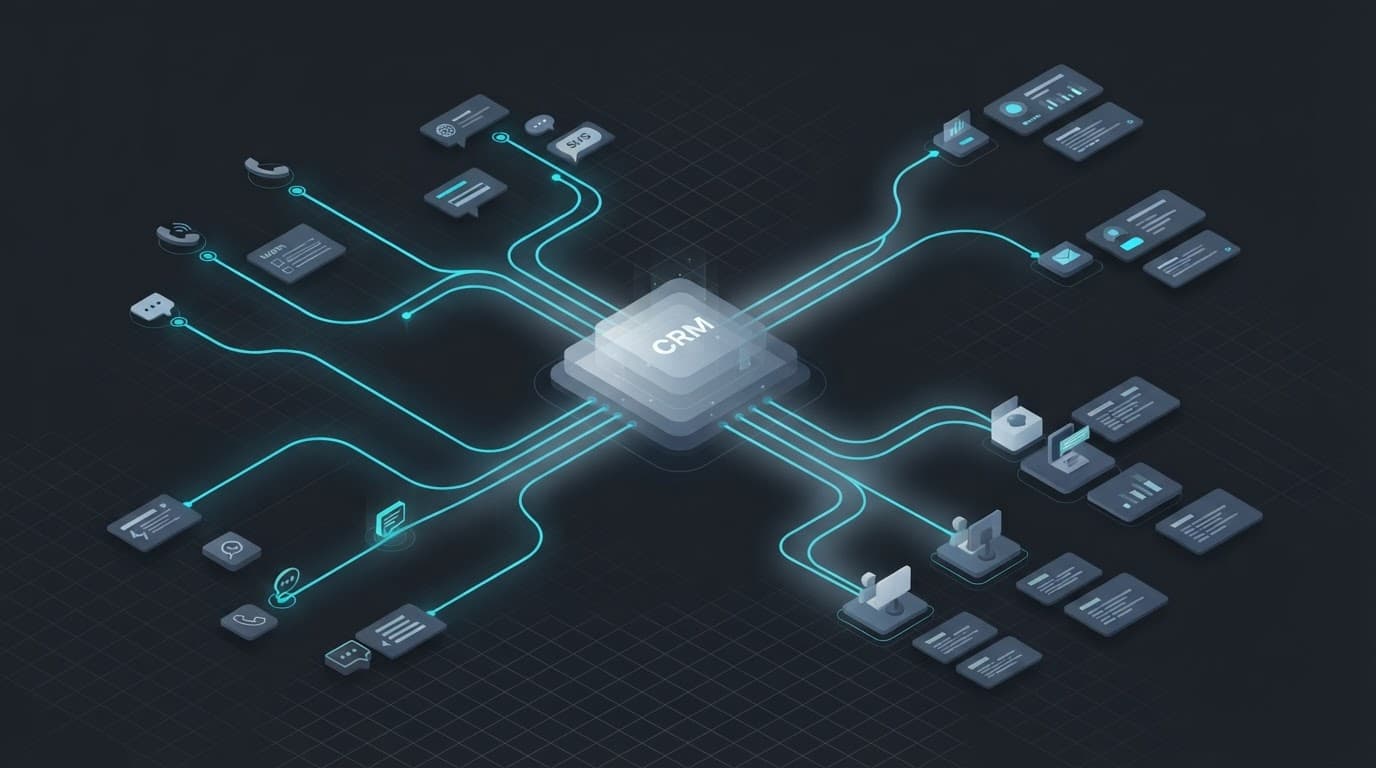
Every traffic source should enter one process. Capture the contact details, source, requested service, location, urgency, and documented communication consent. These fields help your team qualify requests and measure customer acquisition by profitable work from SEO, paid ads, referrals, or local listings.
Short forms can increase inquiry volume. Call tracking also strengthens lead capture by connecting phone inquiries to their marketing sources. However, a roofing contractor may save substantial sales time by asking about property type, ZIP code, and project timing. The right form length depends on the value of the job and the capacity of the intake team.
Set Ownership Before Adding More Automation
Each inquiry needs an assigned owner, a next action, a deadline, and a fallback if nobody acts. Use lead scoring to weigh project urgency, service line, territory, staff availability, and estimated value.
Round-robin assignment can spread demand fairly. Territory routing often works better when technicians cover defined areas. Local service routing is usually faster than b2b sales, which may involve longer buying cycles and multiple stakeholders. Also suppress duplicates, create missed-call tasks, and escalate leads that remain unaccepted. Otherwise, automation only records the handoff failure.
Build Lead Routing and CRM Automation Around Speed to Lead
Speed to lead is an operating advantage because the prospect's attention fades quickly. Reported response-time averages vary widely, yet InsideSales response-time research found that attempting contact within five minutes can increase conversion rates more than eightfold.
We treat five minutes as a practical business-hours target for high-intent requests, not a universal law. Track median first-response time, P90 response time, and SLA compliance. An average can look healthy while a meaningful share of leads waits for hours.
 ### Create Response-Time SLAs for Every Channel
Set realistic targets that fit your staffing model:
- Answer live calls within three rings when possible, then return missed calls within five minutes.
- Reply to web forms, chat, and text inquiries within five minutes during business hours.
- Send an immediate after-hours acknowledgment with a clear response window and next step.
The acknowledgment should confirm the request without pretending that a person has reviewed it. For example, it can confirm the service area, state when the team will call, and offer a booking link.
A fast auto-reply does not count as a sales response unless a person or qualified system advances the conversation through meaningful sales engagement.
Use Automation for Handoffs, Not Empty Messages
A crm system should create the record, assign an owner, notify the right person, send confirmation, and open a time-bound task. It should also escalate untouched inquiries before the SLA expires.
AI can draft replies, tag intent, summarize calls, and prioritize urgent requests. It can flag marketing qualified leads for rapid follow-up, while human qualification determines when they become sales qualified leads. People should still handle complex pricing, sensitive legal or medical questions, and qualification decisions. Our lead conversion services connect CRM, funnel, automation, and reporting work around those practical boundaries.
Turn Follow-Up and Nurturing Into a Repeatable Sales Pipeline
One quick response rarely closes a service sale. Prospects may be at work, comparing providers, waiting for a spouse, or collecting estimates. Follow-up should guide the next decision, not send random automated follow ups.
Build lead nurturing around a multi-stage cadence that separates immediate response, active qualification, appointment reminders, proposal follow-up, and stale-lead reactivation. A $300 emergency repair request needs a different cadence than a $20,000 remodel consultation.
Use Pipeline Stages That Match How the Business Sells
Use stages such as new lead, contacted, qualified, appointment booked, appointment completed, proposal sent, follow-up pending, closed won, and closed lost. Tie each stage to the sales process and define the event and lead qualification criteria that move a record forward.
Require a lost reason, such as outside service area, price, timing, competitor, or no response. That discipline stops leads from disappearing into an inbox. It also gives managers a credible view of pipeline value and future staffing needs.
Combine Human Follow-Up With Useful Nurture Messages
Calls, SMS, email marketing campaigns, and reminders should work together as part of lead nurturing. A helpful message might confirm a service area, explain how to prepare for an estimate, answer a common objection, or provide a simple booking link.
Stop or change automation when someone replies, books, opts out, or proves to be a poor fit. Honor consent and keep contact frequency reasonable. As recent lead-response benchmarks show, speed matters most when paired with a real attempt to engage the prospect.
Measure the Lead Conversion System by Revenue, Not Lead Volume
Track the full path: traffic, leads, contacted leads, qualified opportunities, appointments, shows, proposals, customers, revenue, customer acquisition cost, and return on investment. Review lead conversion rate alongside close rates and revenue to determine whether the system works.
Break reporting down by source, service, location, channel, sales rep, and time period. This sales analytics view can show that one campaign produces fewer calls but far more booked consultations.
Track the Metrics That Reveal Lead Leakage
Monitor time to first response, contact rate, connect rate, SLA compliance, lead-to-opportunity rate, appointment-booked rate, show rate, proposal-to-close rate, sales-cycle length, no-response rate, and reactivation rate.
Calculate it with: Lead Conversion Rate = [Converted Leads / Total Leads] * 100.
Compare median and P90 response time. Lead-response measurement guidance also supports looking beyond a single average, which can conceal slow handoffs. Weekly dashboards should monitor these conversion metrics, while teams should review conversion metrics by source, rep, and time period. Call reviews, CRM audits, and mystery-lead tests expose problems that a monthly lead count misses.
Find the Bottleneck Before Spending More on Traffic
Start with a simple diagnostic order:
- Verify that every inquiry enters a trackable record.
- Confirm that the correct person receives the lead.
- Measure response time and contact attempts.
- Review qualification, appointments, proposals, and close rates.
Examine each stage of the sales funnel for leakage. Low sales can come from weak targeting, an unclear offer, slow follow-up, poor sales calls, or limited capacity. Apply conversion rate optimization by testing one change at a time against a baseline. If missed calls are the issue, another ad campaign will only produce more missed calls.
A Free Lead Leakage Audit can help identify where inquiries stop progressing before you add spend or software.
Build the System Without Unnecessary Complexity
Start with one high-value lead source and one service line. Document the current path, define the pipeline and SLAs, connect calls and forms to the CRM, then automate only basic notifications and tasks.
All-in-one platforms can reduce integration work. Connected tools can offer more flexibility. In our experience, a smaller system with clean data and clear accountability beats a large stack that nobody maintains. The Autonomics Agency Home / Services approach focuses on that connected operating system.
Fix the Process Before Choosing Software
Document who receives each lead, what happens in the first five minutes, how many follow-up attempts occur, when a record becomes lost, and who reviews results.
Before buying lead management software, a chatbot, AI agent, or automation platform, answer these questions:
- Can your team state who owns every new inquiry?
- Does the current process capture enough contact and qualification data?
- Does the workflow fit your b2b sales model and sales engagement process?
- Which revenue outcome will prove the investment worked?
Software cannot repair unclear offers, missing data, weak sales capacity, or absent accountability.
Audit the System Across Business Hours and After Hours
Test forms, phone calls, missed-call workflows, chat, SMS, landing pages, booking links, notifications, opt-outs, and duplicate records. Test after-hours inquiries and escalation rules too.
Review the customer journey as a prospect experiences it. Then use lead scoring to rank fixes by expected revenue, effort, and impact. A Contact / Strategy Conversation can help when the failure crosses marketing, intake, CRM, and sales operations.
Frequently Asked Questions
How many follow-up attempts should a service business make?
The right number depends on urgency and service value. After lead capture, use several attempts across calls, text, and email while the request remains active. Then move unresponsive leads into a lower-frequency reactivation process.
Should every new lead receive a text message?
No. Text only when you have appropriate consent and the channel fits the request. SMS works well for appointment confirmations and quick coordination, while lead nurturing may require a broader mix of calls and email for complex or sensitive services.
Can AI qualify inbound leads without staff involvement?
AI and lead management software can collect basic details and identify intent. A qualified person should review high-value, complex, regulated, or emotionally sensitive inquiries. Staff should also monitor speed to lead before making promises about price, eligibility, or service scope.
Which pipeline stage matters most?
The most useful stage is often qualified opportunity because it separates raw inquiries from leads your business can realistically serve. Still, the stage must have a clear definition that sales and marketing both use.
How often should leadership review lead conversion data?
Weekly reviews work well for active lead-driven businesses because they expose operational failures while they’re still fixable. Monthly reviews remain useful for source trends, customer acquisition costs, and broader budgeting decisions.
Build the Handoff That Produces Revenue
A high-performance lead conversion system depends on clear ownership, fast responses, useful follow-up, disciplined pipeline stages, and revenue-based measurement.
Find the largest leakage and establish baseline metrics, including your lead conversion rate, before adding tools or increasing ad spend. Start with one lead source, measure the current response time, define the next action, and improve the weakest handoff first.